OEM vs ODM Plush Toys: Which Manufacturing Model Is Right for Your Brand?
OEM keeps your design IP yours; ODM picks an existing factory model and rebrands it. Full breakdown of cost, lead time, MOQ, IP and risk for plush toys.

Brand owners shopping for a plush toy supplier hear two acronyms over and over — OEM and ODM. They sound interchangeable. They are not. Pick the wrong one and you'll either overpay by 15–25%, or walk away with a product you don't legally own. Here's the breakdown we wish every buyer had on day one.
What 'OEM' and 'ODM' actually mean
OEM (Original Equipment Manufacturer) is the model where you bring the design and the factory builds it. Your sketch, your tech pack, your IP. The factory's job is execution.
ODM (Original Design Manufacturer) flips it: the factory already has a catalogue of designs they invented. You pick one, slap your brand on the hangtag, and ship. Faster and cheaper to start, but you don't own the underlying design — and neither does your competitor who picks the same model next month. (See Wikipedia: Original Design Manufacturer for the formal definition used in trade.)
Side-by-side comparison
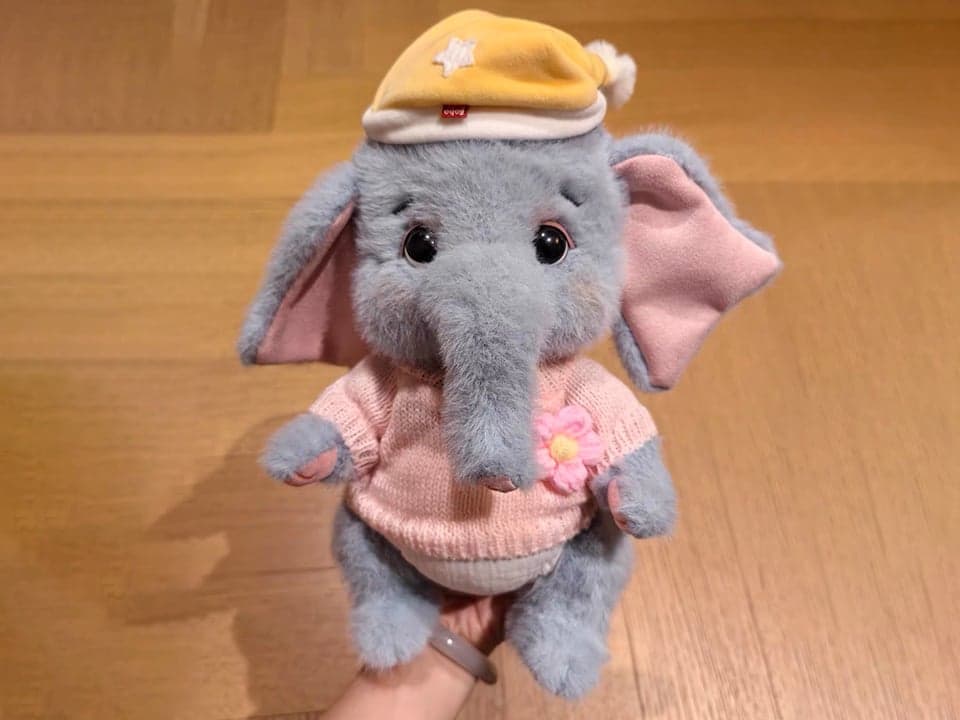
Below is the same design — a custom mascot bear — first as the client's flat sketch, then as the StarDream OEM finished sample. This is what 'executing the design faithfully' looks like in practice.
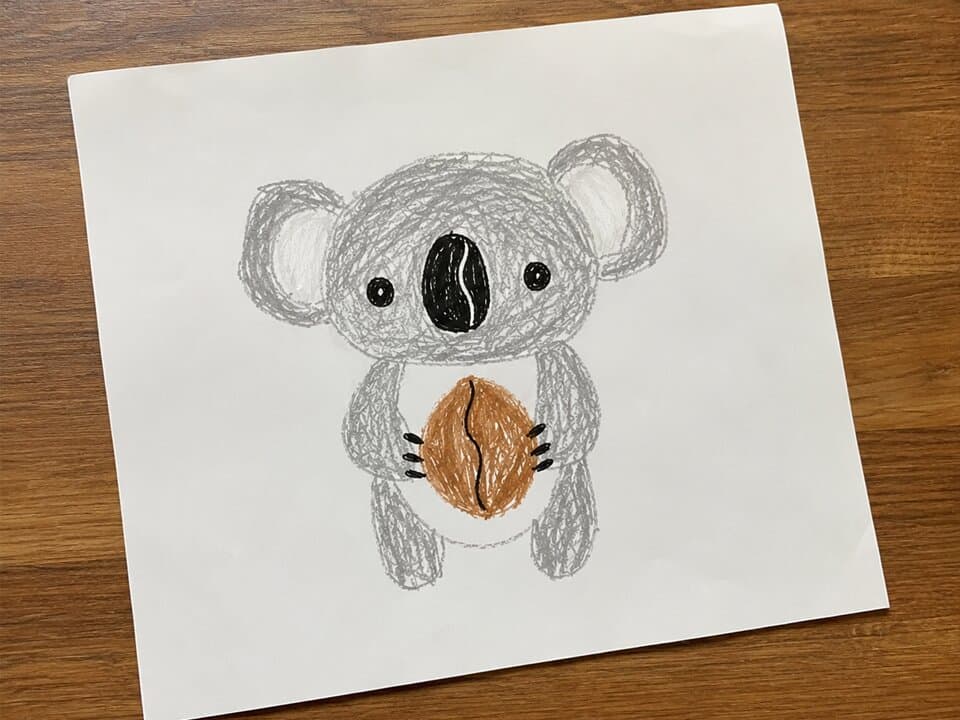
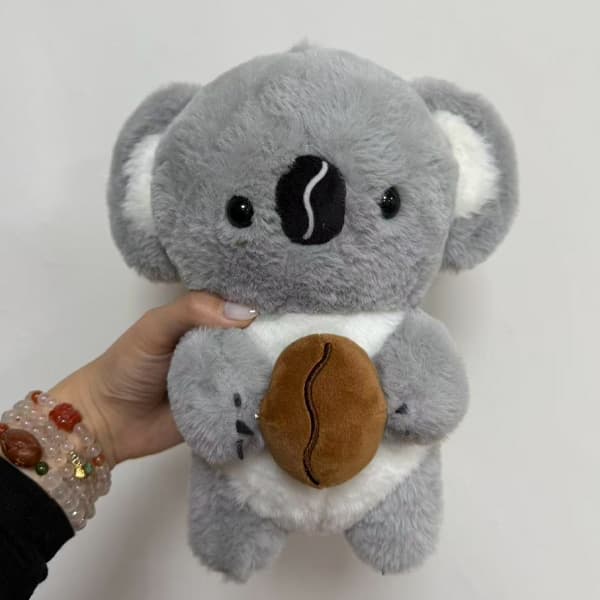
| OEM | ODM | |
|---|---|---|
| Who designs | You — your sketch / IP | The factory's catalogue |
| Who owns IP | You (100%) | Factory licenses to you |
| MOQ (StarDream) | 100 pcs / SKU | 60 pcs / SKU |
| Lead time (sample) | 7–10 days | Skipped — pick from catalogue |
| Lead time (bulk) | 28–35 days | 18–25 days |
| Tooling fee | $300 – $800 | $0 |
| Per-unit cost @ 1,000 pcs | Lower (no licensor markup) | Slightly higher |
| Re-orderable later | Anytime — pattern is yours | Only if factory keeps the model |
| Best for | Brand-defining flagship SKUs | Promo / one-off / market-test |
The 5-step OEM workflow
Every OEM project at StarDream Toys runs through the same five-stage pipeline. Each stage has a documented hand-off so you always know what you're approving and what comes next.
- 1Submit IdeaDay 1
- 2Design + QuoteDay 2-3
- 3SamplingDay 7-10
- 4Mass ProductionDay 18-28
- 5Export PackDay 30+
Cost breakdown
Three line items dominate any plush toy quote: materials (40-55%), labour (25-35%), and finishing & packaging (10-20%). For OEM, add amortised tooling over the production run — usually $0.30-$0.80 per unit at MOQ. Once you cross 1,000 units, tooling amortisation drops below $0.10/unit and OEM becomes the obviously cheaper option.
IP & exclusivity
For licensed character work — anime IP, indie game studios, or publisher-owned characters — OEM is essentially the only path. Every StarDream OEM contract includes:
- Full IP transfer of the pattern, tech pack and sample photography
- Exclusivity clause (we won't produce the same SKU for anyone else)
- Optional NDA covering all design files for 5 years
- Material disposal certificate for any unused fabric — important for ISO 9001 chain-of-custody requirements
Factory tour video
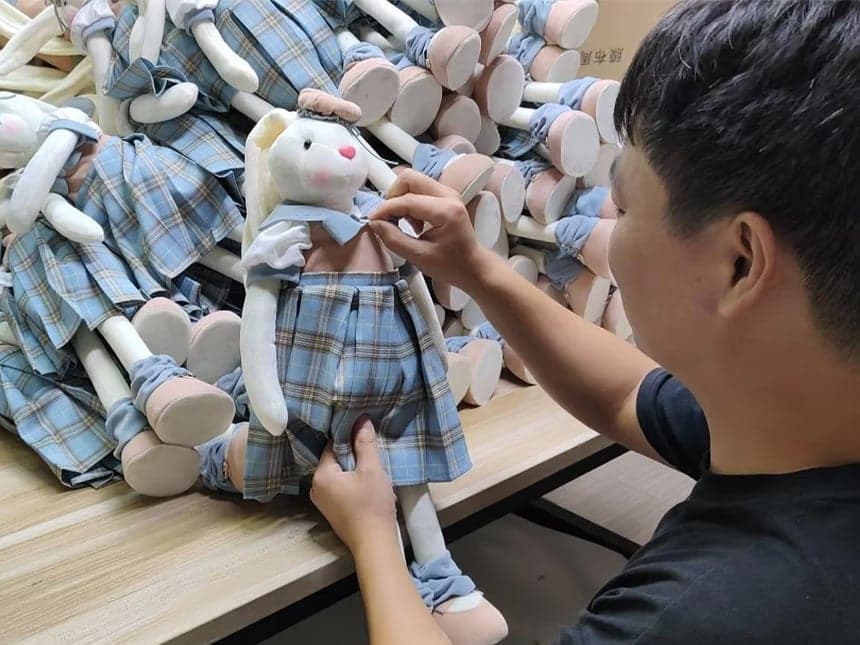
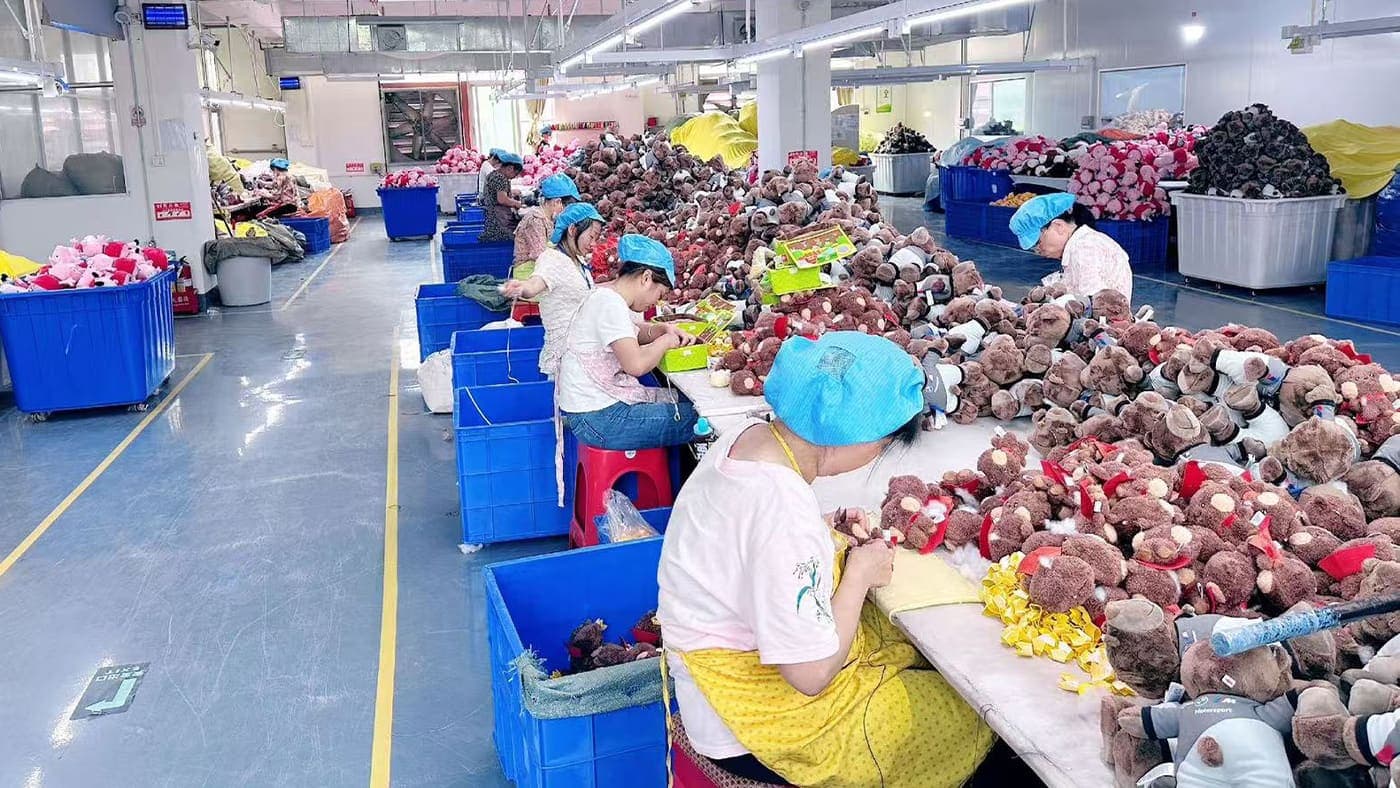
Here's what the actual production line looks like — three minutes of cutting, sewing, stuffing, embroidery and quality inspection at our Shenzhen facility.
By the numbers
Which one is right for you?
If you're a new brand testing a market with under 200 pieces, start with ODM. Validate, then commission an OEM pattern from the same factory once monthly velocity passes 100 units.
If you're defending a character IP, building a flagship plush line, or already shipping 500+ pieces a month, OEM is the only model that protects your design and gets you to the lower per-unit cost. Get a free quote on the OEM service page, or compare our active customer cases before deciding. For independent verification of plush toy safety standards, see the U.S. CPSC toy safety guidelines and the ASTM F963 specification — both are referenced throughout the OEM workflow above.